
Rural Property Explained
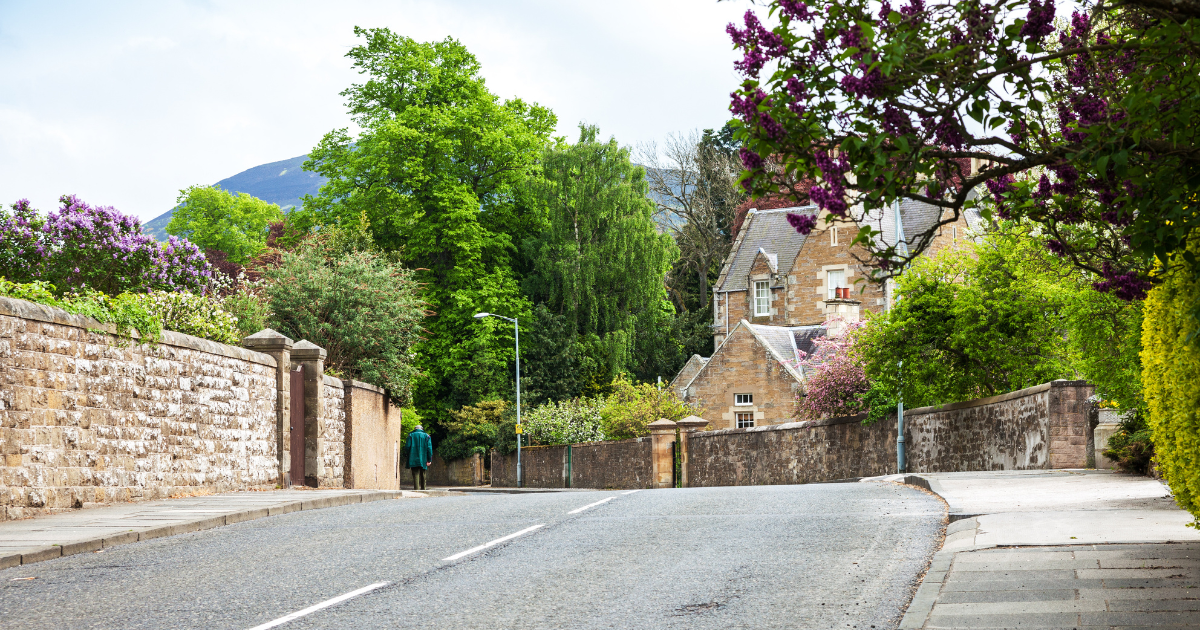
There is a lot to enjoy about rural living, from having more space around you to being part of a smaller community and enjoying the countryside on your doorstep. Whether you are buying your first rural home, moving further into the countryside or selling a property you have lived in for many years, it can be an exciting time and the start of a new chapter.
Rural properties can, however, come with a few additional things to think about, particularly where there is land, outbuildings, private access or shared services involved. Knowing what to look out for, and having the right advice along the way, can help make the process feel much more straightforward.
At Cullen Kilshaw, we support buyers and sellers across the South of Scotland and East Lothian and East Lothian, combining our knowledge of the local property market with clear, practical legal guidance.
What exactly are you buying?
Part of the appeal of buying a rural property is often everything that comes with the house, whether that is a few acres of grazing land, woodland, a barn, stables or other outbuildings. Depending on the property, there may also be sporting or fishing rights included in the sale, so establishing exactly what you are buying is an important part of the process.
What you see when you visit a property does not always tell the full story. A fence, hedge, wall or track might appear to mark an obvious boundary, for example, but this may not correspond exactly with the legal title. Your solicitor will review the title as part of the conveyancing process, clarifying what forms part of the property and identifying anything that needs to be looked at more closely before you proceed.
Access, boundaries and shared roads
Access is another area where rural properties can be a little different. A home may be reached by a private road or track, which might be owned by the property itself, by someone else or shared between several neighbouring properties. As well as establishing that you have the necessary right to use it, it is important to know whether there are arrangements in place for maintenance and how any associated costs are shared.
There may also be rights of way or servitudes affecting other parts of the land. A neighbour or another party might have the right to cross or use part of your property, while you might rely on a similar right over neighbouring land to access your home, fields or outbuildings. These types of arrangements are a normal feature of many rural properties, but having them clarified before you buy means you know how they work and what responsibilities come with them.
Water, drainage and other private services
Living in the countryside can also mean that some of the services we tend to take for granted in towns and cities work differently. Private water supplies, septic tanks and other private drainage systems are common in rural areas and, while some will serve a single home, others may be shared between several properties.
It is worth understanding not only how these systems work, but also where the associated pipes, tanks and equipment are located and who is responsible for maintaining them. Part of a system may sit on neighbouring land, for example, which can mean having rights to access that land when maintenance or repairs are needed. For sellers, having information about these arrangements available early can make it easier to answer questions as they arise and help keep the sale moving.
Are there restrictions on the property or land?
For many people, the attraction of a rural property lies in its potential. You may be imagining extending the house, converting an old outbuilding, using the land differently or perhaps developing part of the property in the future, so it is worth exploring whether anything could affect those plans before you commit to the purchase.
Depending on the property, there may be planning restrictions, listed building status, conservation designations, agricultural tenancies or conditions contained within the title. Their existence does not necessarily mean that your plans cannot go ahead, but they may influence what is possible or what permissions you will need. Talking to your solicitor about what you hope to do with the property gives them the opportunity to identify anything you should be aware of before the purchase is completed.
Getting ready to sell a rural property
If you are selling a rural home, doing some preparation before a buyer is found can make the process easier once the transaction gets under way. Because rural properties can include land, private services, shared access and other arrangements, there may be more information for your solicitor to gather and more detailed questions from the buyer’s solicitor.
Depending on your property, it can be helpful to have planning permissions and information about alterations to hand, along with guarantees or certificates, details of private water and drainage systems, information about private or shared roads and access, and any agreements relating to additional land or outbuildings. Every property is different, so you will not necessarily need all of these things, but speaking to your solicitor early can help establish what is relevant to your particular sale and give you time to find anything that may be needed.
Think about how the property will work for you
While the legal details are important, buying a rural home is also about thinking about what living there will actually be like. The acres of land, outbuilding or private track that helped you fall in love with a property may also bring maintenance and responsibilities, so it is worth considering how these will fit with the way you want to live.
There are everyday practicalities to think about too. The upkeep of land, outbuildings and private roads can be very different from maintaining a more conventional residential property. Looking at the whole picture, rather than the house alone, can help you decide whether the property is right for you in the longer term.
How Cullen Kilshaw can help
No two rural properties are quite the same and, in an area such as the South of Scotland and East Lothian, local knowledge can be particularly valuable. Understanding how rural properties, land and access arrangements work locally can help identify the questions that need to be asked and make the legal process easier to navigate.
Our property team supports buyers and sellers across the South of Scotland and East Lothian, East Lothian and Dumfries and Galloway, reviewing titles and property rights, advising on access and servitudes, clarifying issues where they arise and working with lenders, surveyors and estate agents throughout the transaction.
We know that buying or selling a home is about much more than the legal process, so our role is also to explain things clearly, answer your questions and help you understand what matters to you and your property. If you are thinking about buying or selling a rural property in the South of Scotland and East Lothian or East Lothian, our local team is here to provide friendly, practical guidance from the first conversation through to completion.